Europe A History By Norman Davies Pdf New [portable] File
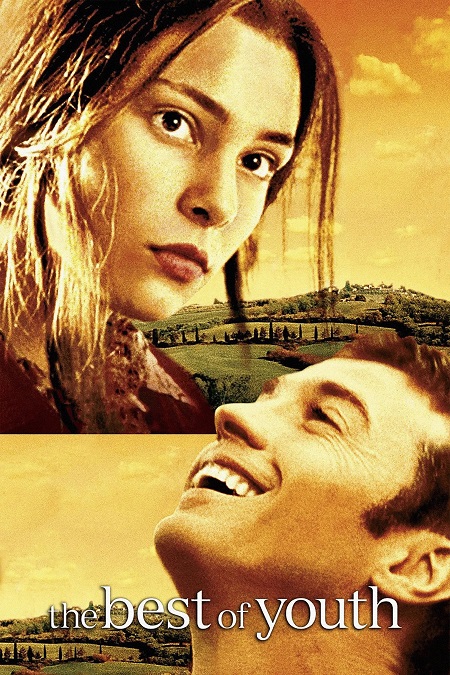 مشاهدة مشاهدة مشاهدة فيلم وتحميل The Best of Youth Part 1 2003 مترجم مباشرة اون لاين وتحميل القصهتمتد هذه الدراما...Director:Writers:Stars:
8/10 stars from200 users.Reviews: 50.
19-12-2025The core of the book consists of twelve narrative chapters that take the reader chronologically from prehistory to the late 20th century:
The next chapters cover the classical period, including the rise of ancient Greece and Rome, and the medieval period, which saw the spread of Christianity and the emergence of feudalism. Davies analyzes the complex relationships between the Roman Empire, the Christian Church, and the various barbarian kingdoms that arose in the aftermath of the Roman collapse.
Nevertheless, the book has notable weaknesses. Its sheer length (over 1,300 pages) and dense prose can overwhelm general readers. Moreover, some specialists have faulted Davies for factual errors, particularly in areas outside his primary expertise (e.g., early modern Spain or the Italian Renaissance). His treatment of economic history is comparatively thin, and his skepticism toward the European Union—expressed in the closing chapters—has aged into a prescience that some find bitter. The 1996 edition also stops before the Yugoslav wars, the euro crisis, Brexit, and the 2022 Russian invasion of Ukraine, all of which would have tested his thesis about Europe’s unending diversity.