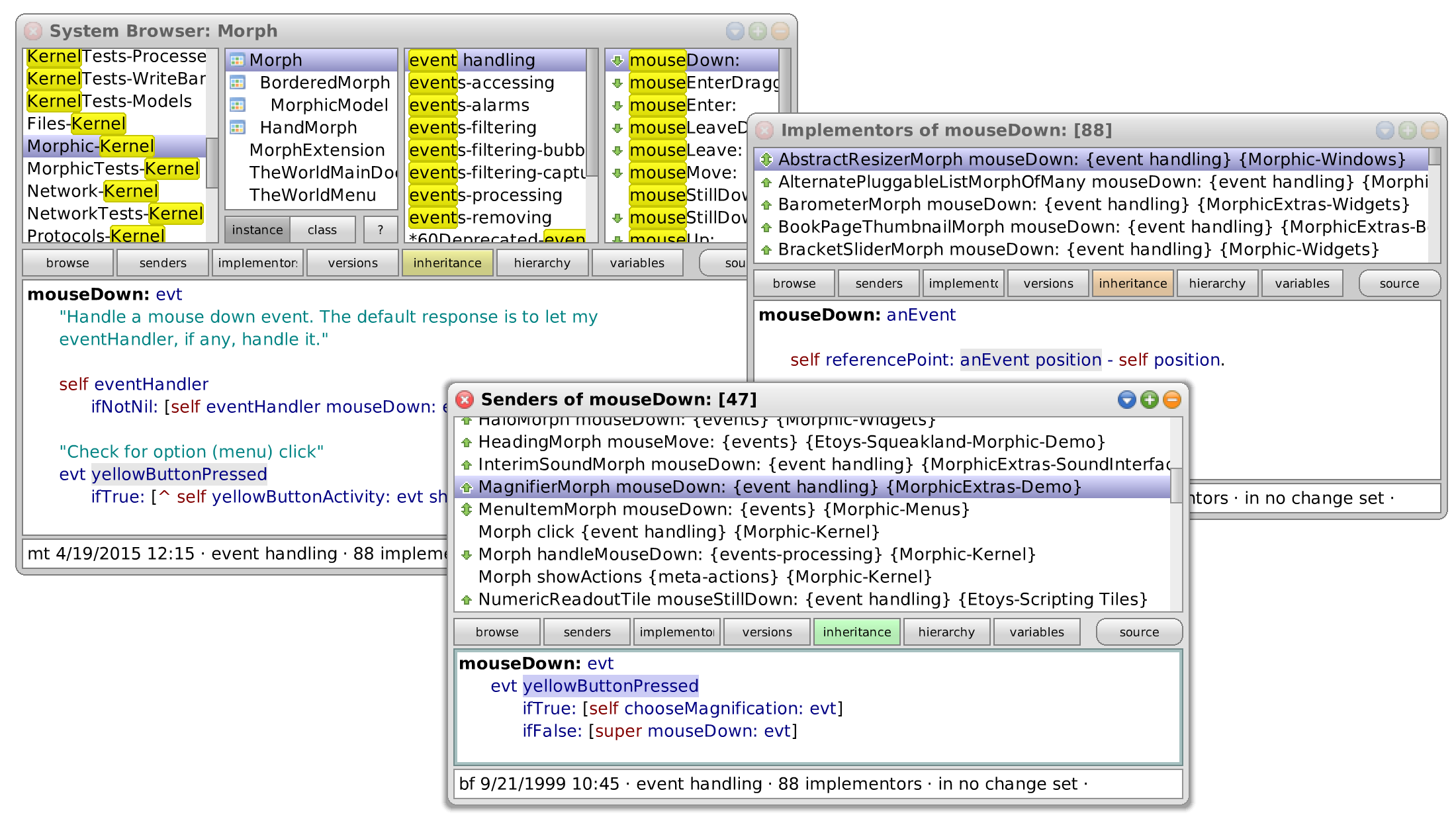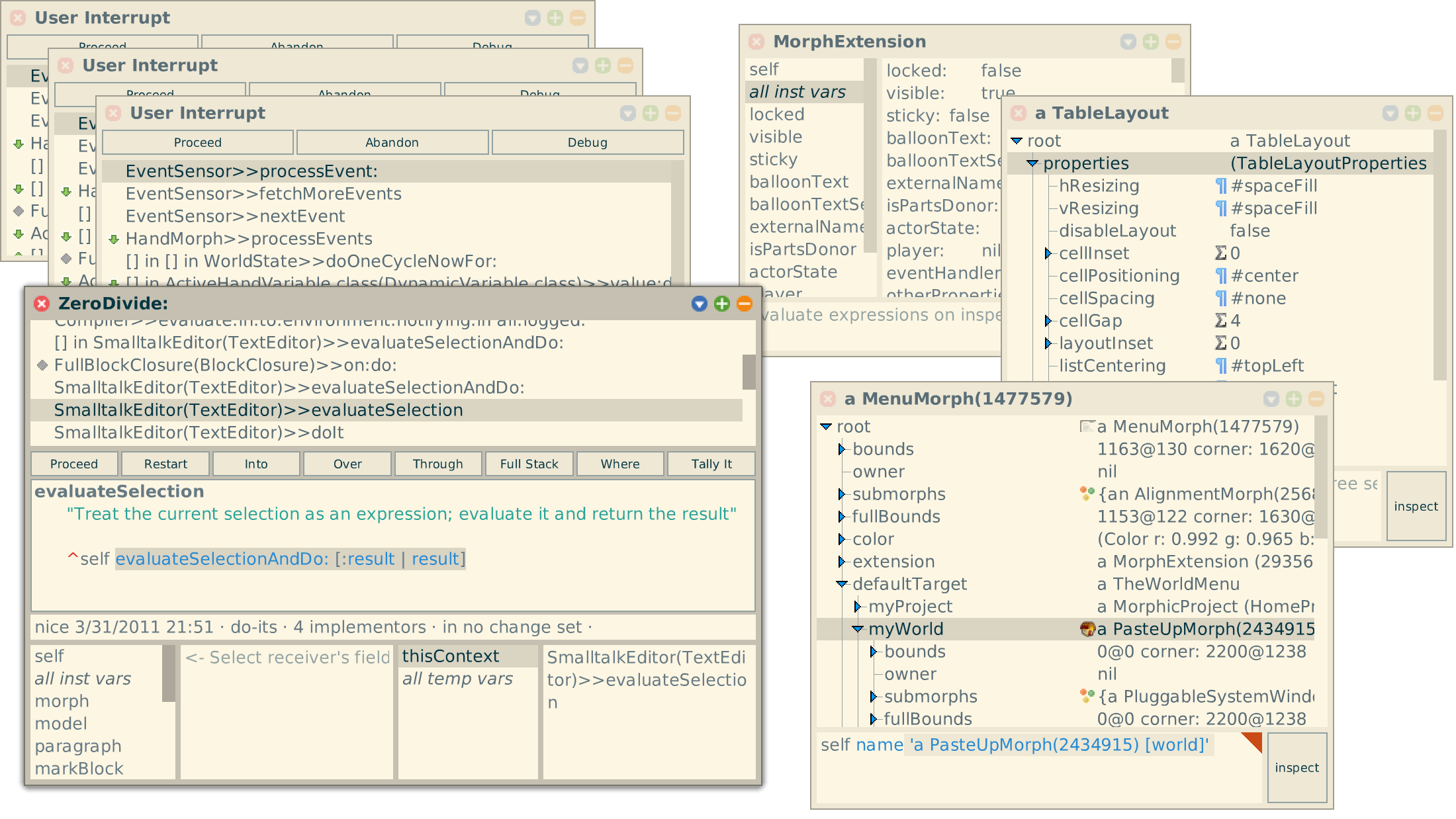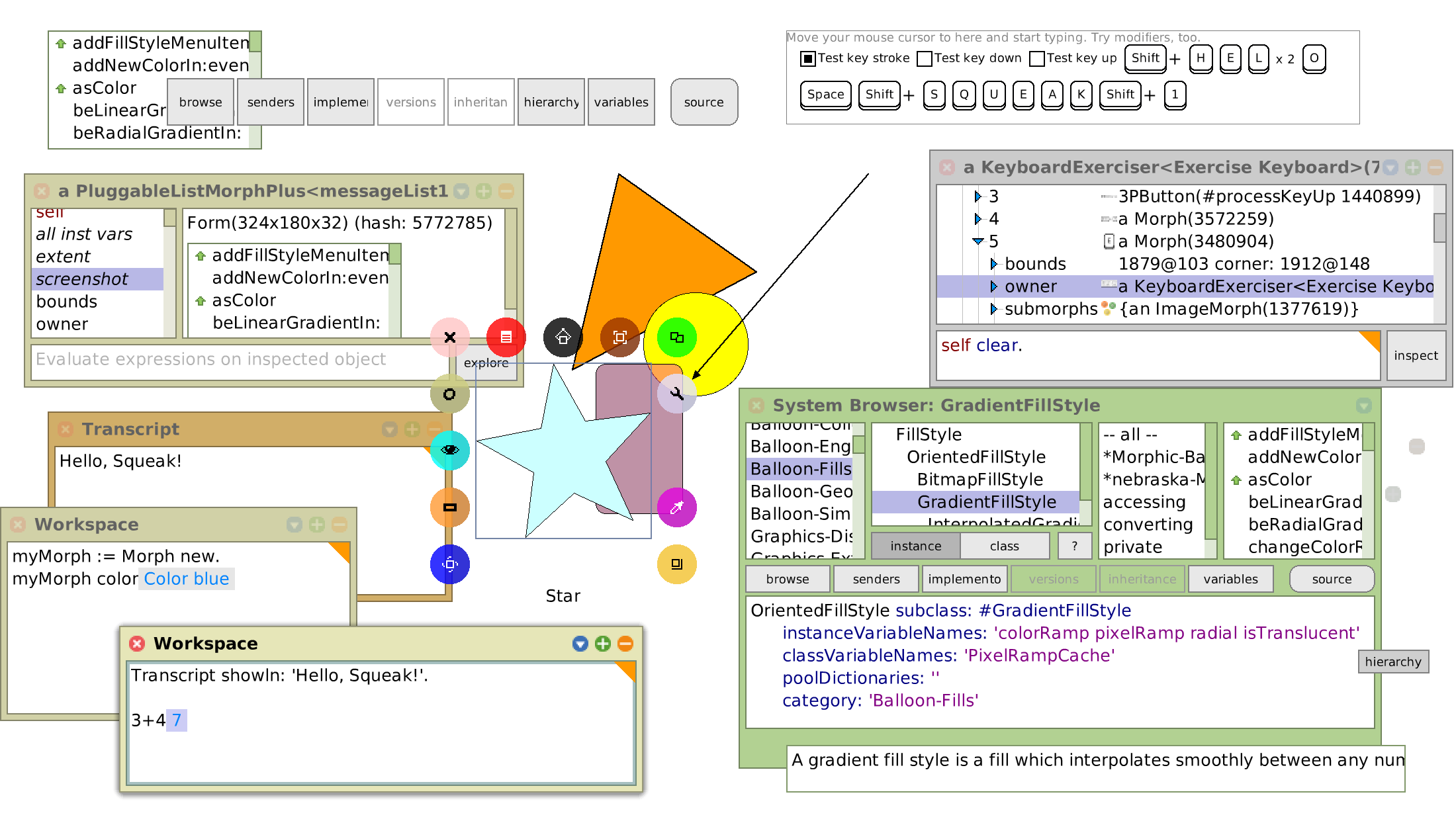
The Squeak community maintains several mailing lists such as for beginners, general development, and virtual machines. You can explore them all to get started and contribute.
The Squeak Oversight Board coordinates the community’s open-source development of its versatile Smalltalk environment.
The Squeak Wiki collects useful information about the language, its tools, and several projects. It’s a wiki, so you can participate!
The Weekly Squeak is a blog that reports on news and other events in the Squeak and Smalltalk universe.
The Squeak Development Process supports the improvement of Squeak—the core of the system and its supporting libraries—by its community. The process builds on few basic ideas: the use of Monticello as the primary source code management system, free access for the developers to the main repositories, and an incremental update process for both developers and users. (Read More)
If you identify an issue in Squeak, please file a bug report here. Squeak core developers regularly check the bug repository and will try to address all problem as quickly as possible. If you have troubles posting there, you can always post the issue on our development list. vixen230324xxlaynamariemakingmymarkxxx
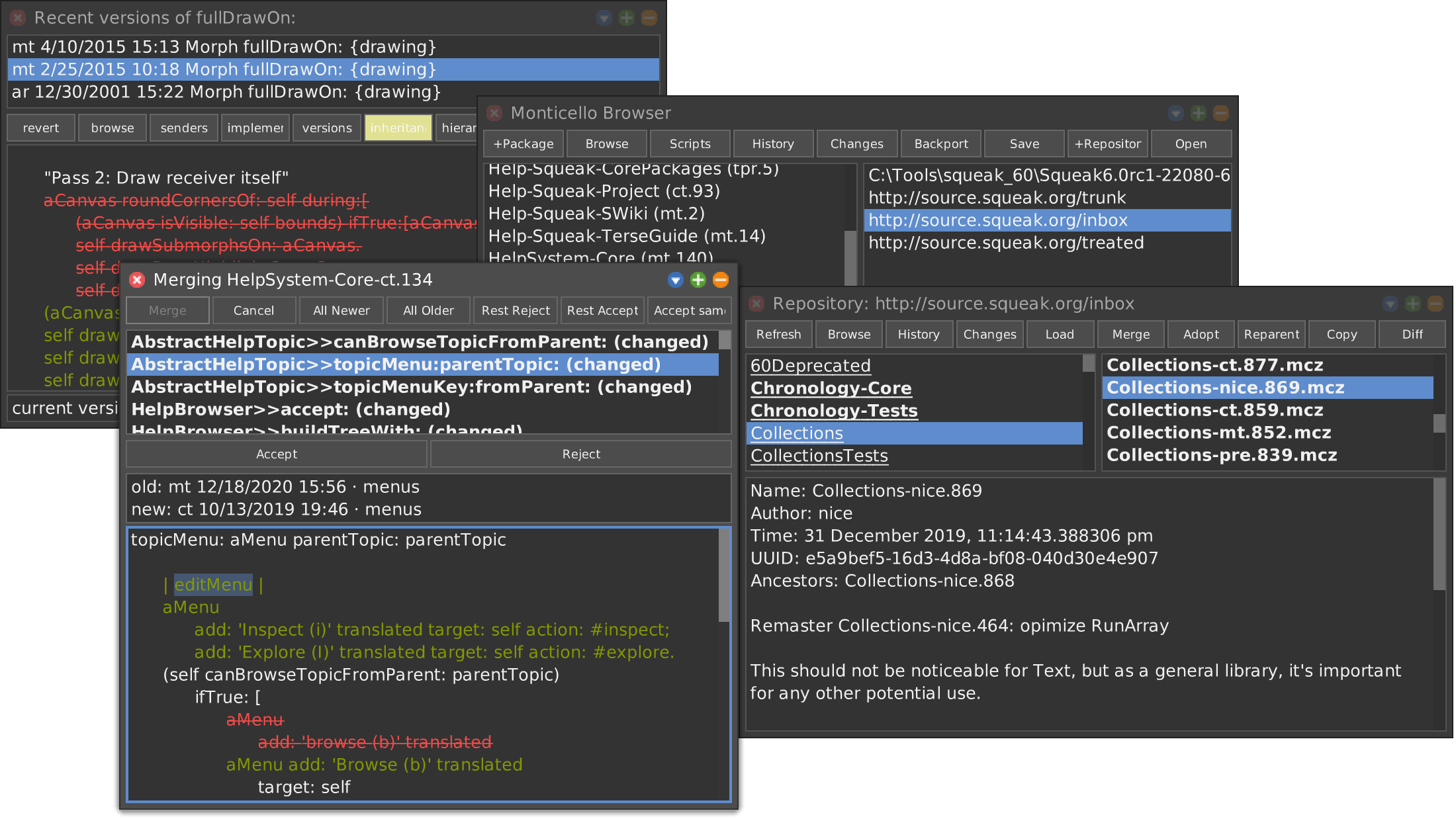
A Monticello code repository for Squeak. Many of our community’s projects are hosted here. Others you may find at SqueakMap or the now retired SqueakSource1. To help tailor this material for your specific
Using the Git Browser, you can commit and browse your code and changes in Git and work on projects hosted on platforms like GitHub. With Monticello you can read and write FileTree and Tonel formatted repositories in any file-based version control system. For a brief, golden moment (roughly 2013–2019), streaming
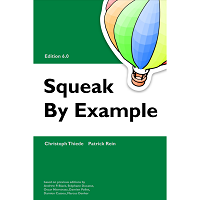
Christoph Thiede and Patrick Rein. 2023. Based on previous versions by Andrew Black, Stéphane Ducasse, Oscar Nierstrasz, Damien Pollet, Damien Cassou, Marcus Denker.
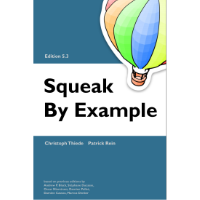
Christoph Thiede and Patrick Rein. 2022. Based on previous versions by Andrew Black, Stéphane Ducasse, Oscar Nierstrasz, Damien Pollet, Damien Cassou, Marcus Denker.
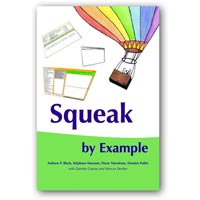
Andrew Black, Stéphane Ducasse, Oscar Nierstrasz, Damien Pollet, Damien Cassou, and Marcus Denker. Square Bracket Associates, 2007.
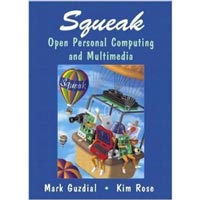
Mark Guzdial and Kim Rose. Prentice Hall, 2002.
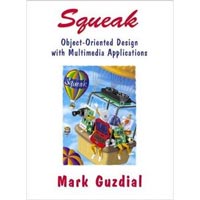
Mark Guzdial. Prentice Hall, 2001.
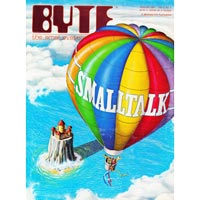
Smalltalk special issue, August 1981.
To help tailor this material for your specific platform, tell me:
One of the most radical shifts in popular media is the collapse of the gatekeeper. Previously, the path to fame required passing through the velvet ropes of Hollywood agents, record label executives, or publishing houses. Today, the most influential entertainment content is often created by amateurs in their living rooms.
For a brief, golden moment (roughly 2013–2019), streaming felt like utopia. No ads. Unlimited content. The entire library of human creativity for $9.99 a month.
For most of the 20th century, entertainment content followed a top-down model. A handful of major Hollywood studios, television networks, and print publishers acted as cultural gatekeepers. Content was created for the masses, meaning television shows, films, and music had to appeal to broad demographics to succeed. This created a shared cultural lexicon; millions of people watched the same broadcast at the same time, establishing a unified pop-culture conversation.
To help tailor this material for your specific platform, tell me:
One of the most radical shifts in popular media is the collapse of the gatekeeper. Previously, the path to fame required passing through the velvet ropes of Hollywood agents, record label executives, or publishing houses. Today, the most influential entertainment content is often created by amateurs in their living rooms.
For a brief, golden moment (roughly 2013–2019), streaming felt like utopia. No ads. Unlimited content. The entire library of human creativity for $9.99 a month.
For most of the 20th century, entertainment content followed a top-down model. A handful of major Hollywood studios, television networks, and print publishers acted as cultural gatekeepers. Content was created for the masses, meaning television shows, films, and music had to appeal to broad demographics to succeed. This created a shared cultural lexicon; millions of people watched the same broadcast at the same time, establishing a unified pop-culture conversation.
An implementation of Babelsberg allowing constraint-based programming in Smalltalk.
[Quick Install]A collaborative, live-programming, audio-visual, 3D environment that allows for the development of interactive worlds.
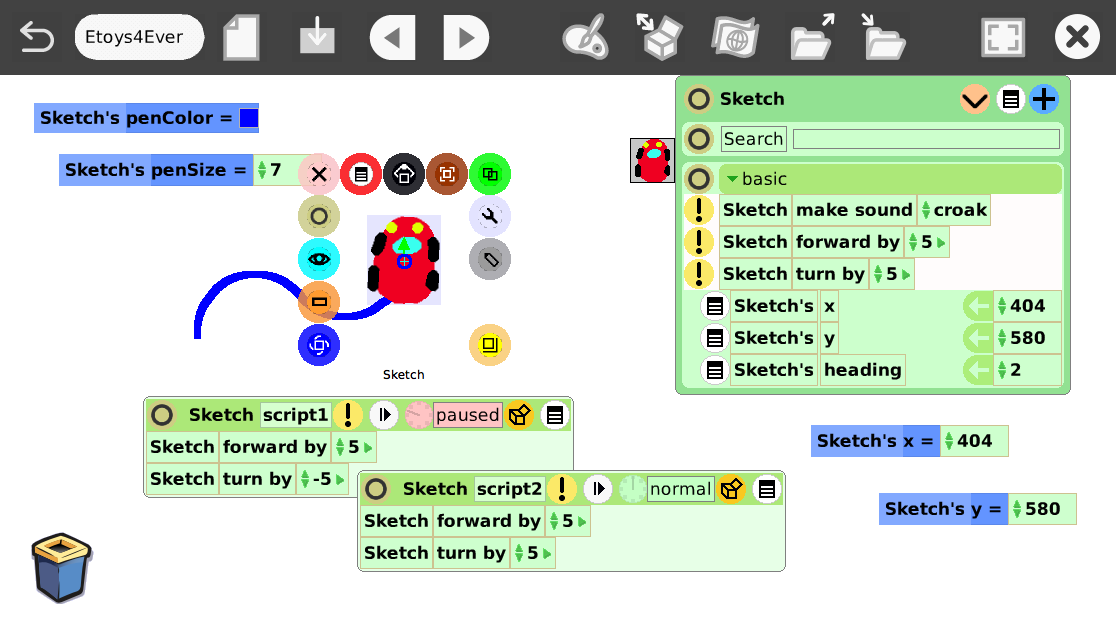
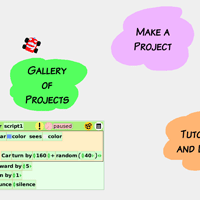
A media-rich authoring environment with a simple, powerful scripted object model for many kinds of objects created by end-users that runs on many platforms.
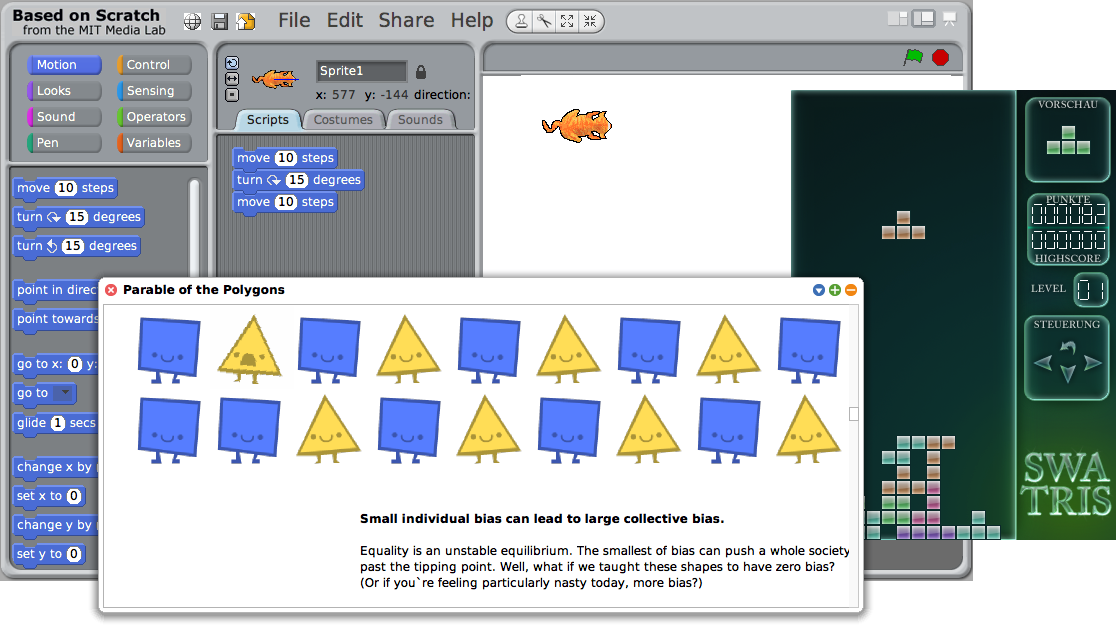
Scratch lets you build programs like you build Lego(tm) - stacking blocks together. It helps you learn to think in a creative fashion, understand logic, and build fun projects. Scratch is pre-installed in the current Raspbian image for the Raspberry Pi.